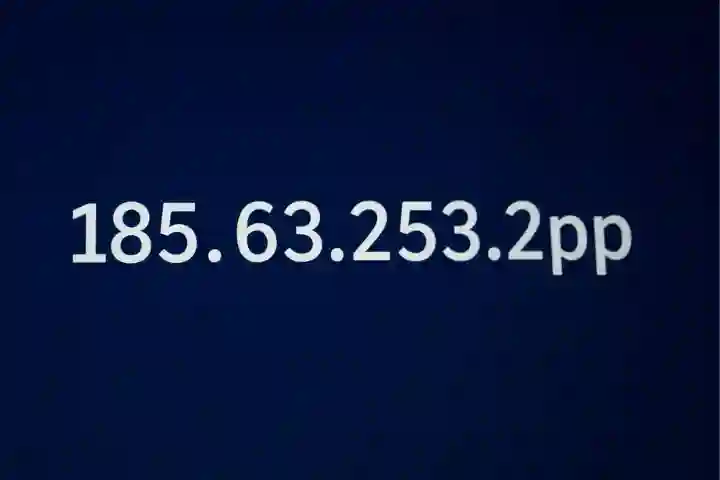
185.63.253.2pp is an unusual IP-like string that often appears in online searches, website logs, or security scans. While it looks similar to a standard IPv4 address, the extra “pp” makes it technically invalid. This leads users to search for its meaning, origin, and whether it indicates a potential threat or simply a formatting glitch.
In most cases, 185.63.253.2pp is linked to mistyped IP entries, bot-generated traffic, or corrupted log data. Although it is not a real IP address, users typically investigate it due to cybersecurity concerns or curiosity about unusual identifiers appearing in their analytics.
Table of Contents
Introduction to 185.63.253.2pp
The term 185.63.253.2pp has become a point of curiosity among users who encounter it in online searches, website logs, or security-related discussions. At first glance, it looks like an IP address, but the unusual “.2pp” extension makes it stand out. Because of this, many users search for its meaning and whether it indicates a legitimate network identity or something suspicious.
“185.63.253.2pp” appears frequently in search engines because unusual network strings often trigger curiosity or concern. When website owners spot such identifiers in their analytics tools, they naturally want to know whether it represents a bot, a crawler, a misconfigured IP address, or a sign of malicious activity. As a result, this term has gained momentum online, especially in cybersecurity forums and tech discussion spaces.
What Is 185.63.253.2pp?
The string 185.63.253.2pp resembles an IPv4 address, which normally consists of four numerical segments separated by periods—for example, 185.63.253.2. However, the presence of additional letters “pp” makes it not a valid IP address in standard networking conventions. This leads to speculation about whether the string is a code, a typo, or an identifier used by automated tools.
Technically, the base part 185.63.253.2 is a valid IPv4-format number. If someone types “2pp” accidentally while copying a line from a log file, the result becomes “185.63.253.2pp.” This type of mistake is common when data is copied from compressed formats, mobile screens, or interfaces where characters overlap visually.
The “.2pp” fragment has no recognized meaning in networking. It does not match domain endings, IP extensions, or any standard protocol label. The most likely interpretations include:
- A typo or formatting error
- A string generated by bot activity
- An obscure identifier added during data compression or scraping
Why 185.63.253.2pp Is Trending Online
The rise in searches related to 185.63.253.2pp can be attributed to several online trends and user behaviors. Social media platforms often amplify topics when multiple people raise the same concern, especially related to cybersecurity or unknown IP-like terms. Screenshots from logs or device notifications are commonly shared, leading more people to search the unfamiliar identifier.
Another reason involves cybersecurity alerts. As individuals become more aware of digital threats, even minor anomalies in their analytics or system logs lead them to investigate. Strings like 185.63.253.2pp appear random, and anything random or unexplained is frequently associated with suspicious online activity.
Additionally, website owners who use tools like Cloudflare, cPanel, or WordPress security plugins sometimes see unusual bot traffic. Automated crawlers or misconfigured scripts can generate odd sequences, prompting more searches and discussions around terms like this.
How 185.63.253.2pp Appears in Network Logs
People typically discover 185.63.253.2pp in:
- Website analytics tools
- Server firewall logs
- CMS security plugins
- Router or ISP logs
These logs may display the string in contexts such as failed login attempts, blocked requests, or suspicious packets. Because crawlers and bots often spoof IP addresses, they can generate malformed entries that confuse log parsers. A bot may intend to send data from an IP like 185.63.253.2, but due to compression or encoding issues, the output becomes 185.63.253.2pp.
Another possibility is text wrapping issues—for example, where “pp” refers to something else in the log, such as “protocol parsing,” but ends up shifted into the IP field. These formatting glitches create misleading entries that resemble unusual IP addresses.
In analytics dashboards, strange identifiers often appear when:
- Bots send incomplete headers
- A crawler masks or mangles its identity
- A script injects extra characters into URL or referrer fields
Thus, the appearance of “185.63.253.2pp” does not automatically indicate danger, but it deserves attention.
Is 185.63.253.2pp a Real IP Address?
From a strict technical standpoint, 185.63.253.2pp is not a valid IPv4 address.
A valid IPv4 format must follow this pattern:
X.X.X.X (where X ranges from 0–255)
The addition of letters makes it invalid. However, the part 185.63.253.2 is a valid IP number, which creates confusion.
Possible interpretations include:
- Valid IP + accidental suffix
- Log corruption
- Masked or spoofed identifier
- Bot signature artifact
Since IP address ranges are assigned to organizations, some users attempt WHOIS lookups. While 185.63.253.2 might return real ownership data, adding “pp” invalidates the lookup entirely. No genuine IP range uses alphabetic extensions.
Risks Linked With 185.63.253.2pp
Even though the string is technically invalid, its appearance may point to underlying risks, such as:
1. Suspicious or automated traffic
Some malformed identifiers come from bots performing:
- Brute-force login attempts
- Vulnerability scanning
- Referrer spam
- Bandwidth probing
2. Phishing or spam patterns
Attackers often use fake IPs or identifiers in spam headers to mislead recipients. If 185.63.253.2pp appears in email metadata or spam logs, it could be linked to a phishing attempt.
3. Possible malware indicators
Misformatted IPs in system logs sometimes appear when malware tries to communicate with a server but fails to format the address correctly.
4. System or software misconfiguration
Not all cases involve attackers. Sometimes:
- A plugin outputs corrupted data
- A firewall blocks traffic but logs it improperly
- A crawler sends malformed requests
Regardless of cause, it’s wise to evaluate any repeated pattern associated with strange identifiers.
How to Check 185.63.253.2pp Online
To investigate the identifier, users can perform certain lookups:
IP Lookup Tools
Tools like IPinfo, WhatIsMyIP, or ARIN allow users to check 185.63.253.2, but none will recognize 185.63.253.2pp as valid.
What You Can Find
- Registered owner of the underlying IP (if any)
- Location approximations
- ASN (Autonomous System Number)
- Hosting provider
What You Cannot Find
- Any recognized data about “2pp”
- Any domain linked to this string
- Any authoritative classification
WHOIS and geolocation tools cannot process alphabetic IP extensions, so results will relate only to the numeric portion.
Common User Confusion Around 185.63.253.2pp
Many users assume this string is:
- A domain name
- A private IP address
- A malware signature
- A server file path
In reality, the most common explanations include:
1. Mistyped IP address
Users copying logs from small screens or poorly spaced text often introduce additional characters.
2. Redirected search intent
Someone may intend to search for 185.63.253.2, but typing “pp” at the end triggers a new string.
3. Similar trending queries
People often search similar odd strings like:
- 192.168.0.1pp
- 127.0.0.1xx
- 185.63.253.xxxx
These unusual patterns trend due to repetition and confusion.
Safety Measures for Users
If you encounter 185.63.253.2pp repeatedly in logs, here are recommended actions:
1. Scan your device or server
Use reputable antivirus or malware scanners to ensure no malicious traffic is originating from your system.
2. Update firewall rules
Block malformed or suspicious requests. Many firewalls automatically filter invalid IP strings.
3. Secure login pages
Enable:
- Strong passwords
- 2FA
- Rate limiting
- IP blocking
4. Monitor log patterns
If the string appears frequently, it may indicate bot probing rather than an isolated mistake.
Online Discussions & Trend Analysis
Search volume patterns indicate that people around the world frequently look up unusual IP-like terms. Forums such as Reddit, StackOverflow, and cybersecurity groups often discuss malformed log entries. These conversations lead to shared screenshots, increasing search traffic.
Another factor is public speculation. Users may assume any unknown identifier is linked to hacking, which fuels discussion and further research. Over time, even harmless strings become viral simply because of collective curiosity.
Should You Be Concerned?
In most cases, 185.63.253.2pp is harmless, especially if it appears only once. Occasional formatting glitches or bot traffic are common on the modern web.
You should take action if:
- It appears repeatedly
- It’s linked to failed login attempts
- You notice unusual activity on your site
- Your security tools flag related requests
Professionals handle such entries by filtering malformed traffic and monitoring system performance rather than assuming a direct threat.
Frequently Asked Questions (FAQs)
Is 185.63.253.2pp dangerous?
Not inherently, but its presence may reflect bot traffic or system misformatting.
Why does it show up in analytics?
Likely due to crawlers, malformed headers, or copy-paste errors in logs.
Can it be traced?
Only the numeric part 185.63.253.2 can be traced. The “pp” portion has no technical meaning.
Is it related to hacking?
Not directly. However, malformed identifiers sometimes accompany automated attacks or scanning activity.
Also read : Aviyne .com